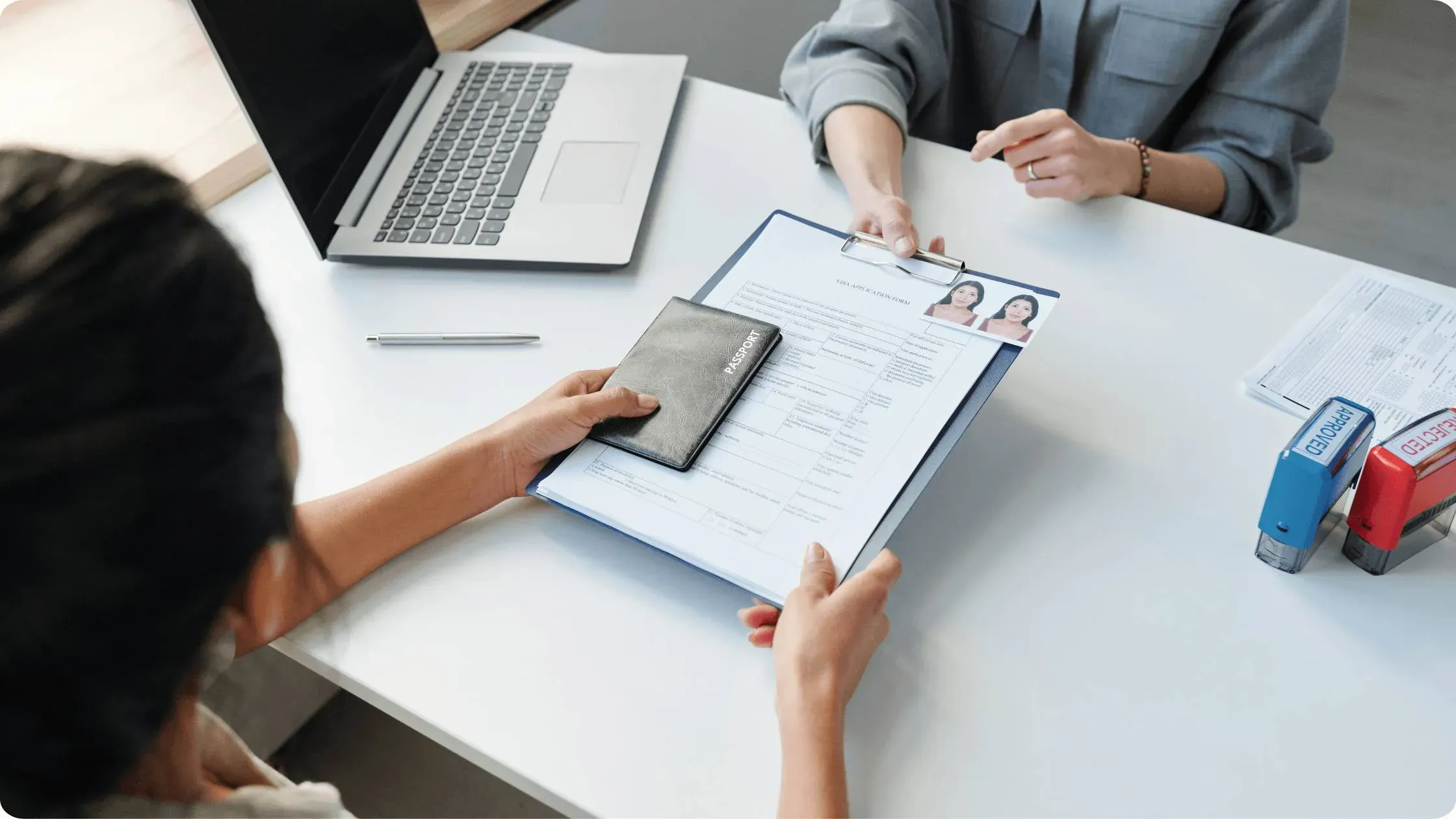
Applying for jobs abroad can involve more preparation than applying for a position in your home country. In addition to a resume and cover letter, international applicants may need educational records, professional certificates, identification documents, employment references, and other paperwork.
The exact requirements depend on the employer, occupation, and destination country. Therefore, it is important to prepare a basic document collection before you begin applying.
Start With Your Resume
Your resume is usually one of the first documents an employer will review.
Create a clear, updated version that includes your professional experience, education, skills, certifications, and relevant achievements.
Keep the information accurate and make sure employment dates are consistent.
You may also want to create different versions of your resume for different types of jobs.
For example, an IT professional could have one version focused on software development and another focused on technical support if both types of positions are relevant.
Prepare a Cover Letter
Not every employer requires a cover letter, but having a basic template ready can save time.
Your cover letter should be customized for each position.
It should explain why you are applying, highlight relevant experience, and address any important information about international relocation or work authorization when appropriate.
Avoid sending the same generic letter to every employer.
Keep Your Passport Valid
A valid passport is an important document when preparing for international employment.
Check the expiration date before beginning your job search.
If your passport is close to expiration, research the renewal process in your country before making travel or immigration plans.
You may need your passport information during later stages of an international employment process.
However, do not send copies of your passport to unverified recruiters or individuals simply because they claim to have an overseas job for you.
Collect Educational Documents
Depending on the position, employers or immigration authorities may ask for proof of education.
Prepare digital copies of documents such as:
- Degree certificates
- Diplomas
- Transcripts
- Training certificates
- Professional qualifications
- Vocational certificates
Keep the original documents stored safely.
Some countries or regulated professions may have additional requirements for recognition, licensing, or verification of qualifications.
Do not assume that a qualification automatically has the same professional recognition in another country.
Prepare Employment References
References can strengthen an international job application.
Consider preparing a list of previous employers, managers, or professional contacts who can confirm your employment and experience.
Before using someone as a reference, ask for permission.
Include accurate contact information and explain what type of job you are applying for.
Some employers may request formal employment letters rather than simply contact details.
Gather Professional Certifications
If your occupation requires professional certification, make sure your certificates are current.
This can be particularly important in fields such as healthcare, engineering, education, finance, skilled trades, and other regulated professions.
A certificate that is valid in one country may not automatically authorize you to practice in another.
Research the licensing requirements for your target occupation and destination before relying on your qualification.
Keep Digital Copies Organized
Create a secure folder containing your important employment documents.
You might organize it into folders such as:
- Resume
- Cover Letters
- Passport
- Education
- Employment
- Certifications
- References
- Language Tests
- Immigration Documents
Use clear file names.
For example:
FirstName_LastName_Resume_2026.pdf
This is much easier to manage than files named resume-final-new2.pdf.
Prepare Language Test Results When Relevant
Some jobs or immigration pathways may require proof of language ability.
The exact requirement depends on the country, program, employer, and profession.
If a language test is relevant to your target opportunities, research which test is accepted and how long results remain valid.
Do not take a test simply because someone online says you need it. Confirm the requirement through the employer or official government source.
Prepare Work Experience Evidence
Some international employment or immigration processes may require evidence of previous work.
This could include employment letters, contracts, pay records, reference letters, or other documents depending on the specific process.
Canada, for example, lists employment-related documents among the materials that may be required for certain work permit applications.
The exact documents required vary, so do not assume that one country’s requirements apply everywhere.
Keep Your Information Consistent
One of the simplest ways to avoid application problems is to make sure your documents contain consistent information.
Check:
- Your name
- Date of birth
- Employment dates
- Job titles
- Education dates
- Addresses
- Passport details
Small inconsistencies can create unnecessary questions.
If your name appears differently across documents because of a legal name change or another reason, keep the relevant supporting documentation available.
Protect Your Personal Information
International job searches can involve sensitive documents.
Do not upload your passport, bank information, or identity documents to unknown websites.
Verify the employer and recruitment company before sharing sensitive information.
Official immigration guidance also warns applicants about fraudulent websites and services that attempt to collect personal or financial information.
Final Thoughts
Preparing your documents before starting your international job search can make the process much easier.
Start with the basics: an updated resume, cover letter, passport, education records, employment references, and professional certifications.
Then research the specific requirements for your target country and occupation.
Keep digital copies organized, protect sensitive information, and verify every request for additional documents.
Most importantly, remember that document requirements are not identical worldwide. Always confirm current requirements through the employer and the official government or licensing authority responsible for the relevant process.